


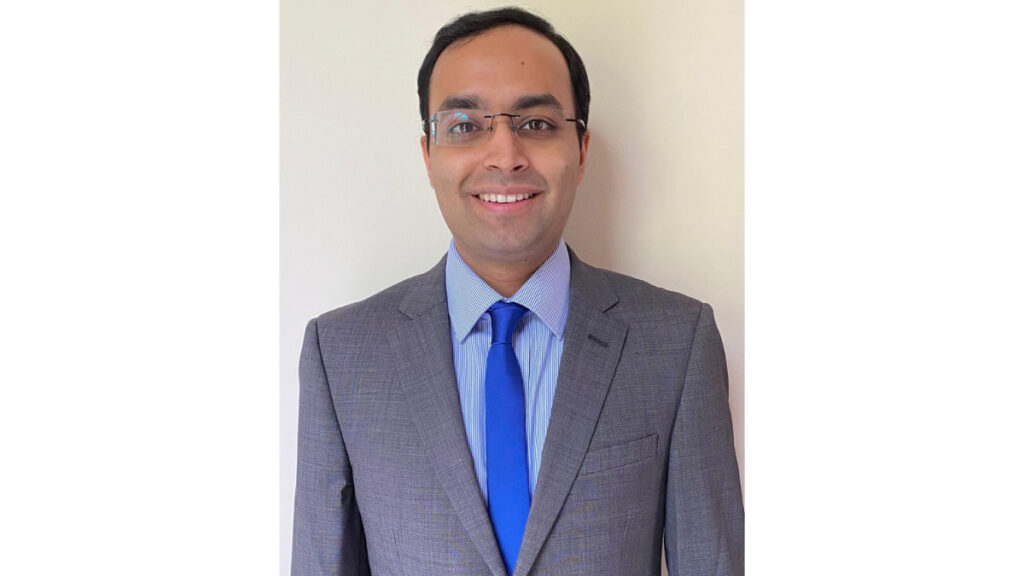
Dr Rajath Pejaver
Bengaluru (Karnataka) [India], November 18: The absence of visible symptoms does not always indicate the absence of infection. This is particularly relevant in the case of polio, a highly infectious viral disease that can spread through infected individuals who experience no symptoms or only mild illness. Its ability to circulate without obvious warning signs makes vaccination and continued public-health surveillance essential to preventing transmission.⁴
Polio primarily affects young children and can attack the nervous system, potentially causing permanent paralysis. Around one in 200 infections can result in irreversible paralysis, while 5–10% of those who develop paralysis may die if the muscles used for breathing are affected. With no cure available, prevention through vaccination remains central to protecting children.⁴
Dr Rajath Pejaver, Consultant, Department of Neonatology, Manipal Hospital, Bengaluru, said, “The challenge with polio is that the virus may spread without families or communities recognising that transmission is taking place. Waiting for visible signs of illness is therefore not a reliable approach to prevention. Timely vaccination offers children protection before they are exposed to the virus and remains essential even when the disease appears distant from everyday life.”
India’s polio-free status was achieved through extensive vaccination efforts and sustained surveillance. However, wild poliovirus type 1 continues to circulate in Afghanistan and Pakistan. Given India’s geographical proximity to these countries, maintaining high immunisation coverage remains important to reducing the risk of poliovirus reintroduction.¹˒²
The recommended childhood polio immunisation schedule begins at 6 weeks of age, with primary doses administered at 6, 10 and 14 weeks. This is followed by booster doses at 16–18 months and 4–6 years, as recommended by the Indian Academy of Pediatrics.³
Dr Pejaver added, “Parents should consider vaccination records an important part of their child’s healthcare documentation. Keeping track of the primary doses as well as the two booster milestones helps ensure that immunisation remains on schedule. If a vaccination has been missed, families should consult their paediatrician for guidance on completing the recommended schedule.”
India’s continued protection against polio depends on ensuring that the disease does not return to communities where it has been eliminated. Maintaining vaccination coverage, strengthening surveillance and keeping families informed remain important parts of this ongoing public-health effort.¹˒²
References
1. World Health Organization. India: A push to vaccinate every child, everywhere, ended polio in India [Internet]. New Delhi: WHO; 2021 Apr 7 [cited 2026 Oct 14]. Available from: https://www.who.int/india/news-room/feature-stories/detail/a-push-to-vaccinate-every-child-everywhere-ended-polio-in-india
2. Global Polio Eradication Initiative. Circulating vaccine-derived poliovirus count [Internet]. [cited 2026 Oct 14]. Available from: https://polioeradication.org/circulating-vaccine-derived-poliovirus-count/
3. Shastri DD, et al. Indian Academy of Pediatrics (IAP) Advisory Committee on Vaccines and Immunization Practices (ACVIP): recommended immunization schedule (2025) and update on immunization for children aged 0 through 18 years. Indian Pediatr. 2025.
4. World Health Organization. Poliomyelitis [Internet]. Geneva: World Health Organization; [cited 2026 Oct 14]. Available from: https://www.who.int/news-room/fact-sheets/detail/poliomyelitis
